Proudly serving Phoenix, Mesa, Scottsdale, Tempe, Chandler, Glendale & surrounding areasCall or Text 24/7: 480-319-7533
Aerial view of residential neighborhoods, desert foothills, and arterial roads in Phoenix, AZ during late afternoon.

Commercial Roofing and Flat Roof Repair for Businesses in Mesa, AZ

Phoenix Commercial Roofing Company provides commercial flat roof repair, commercial roof replacement, and TPO roofing for property owners across Mesa, Arizona. Our commercial roofing services also include spray foam, roof coatings, metal, modified bitumen, and built-up roofing. We inspect and maintain flat, low-slope, and metal roofs for warehouses, retail centers, office buildings, and other commercial properties. Every repair, coating, and replacement follows manufacturer specifications and the current International Building Code standards adopted by the City of Mesa.

Mesa roof surfaces can reach 160 to 180 degrees Fahrenheit on peak summer afternoons, accelerating membrane expansion, drying, and seam failure. Monsoon rain can then expose cracks and weak flashing that stayed hidden through the dry season. We use visual assessment and moisture scanning to trace the source before recommending a repair. A written estimate explains the materials, labor, and timeline before work begins.

Our Mesa service area includes commercial properties near Falcon Field, the Gateway Airport industrial corridor, Superstition Springs, Downtown Mesa, the Fiesta District, and Mesa Riverview, with broader coverage across the East Valley and Maricopa County.

★ ★ ★ ★ ★4.9/5 Customer Rating - 29 Years of Commercial Roofing Experience - Thousands of Roofs Serviced - Licensed, Bonded & Fully Insured - Serving Businesses & Property Managers
Commercial Roofing Services

Commercial Roofing Options in Mesa, AZ

Mesa commercial roofs call for system-specific repair and installation decisions shaped by heat, UV exposure, drainage, foot traffic, and the condition of the existing assembly. The services below cover restoration, replacement, inspection, and maintenance for flat, low-slope, and metal roofing.

Commercial Flat Roof Repair

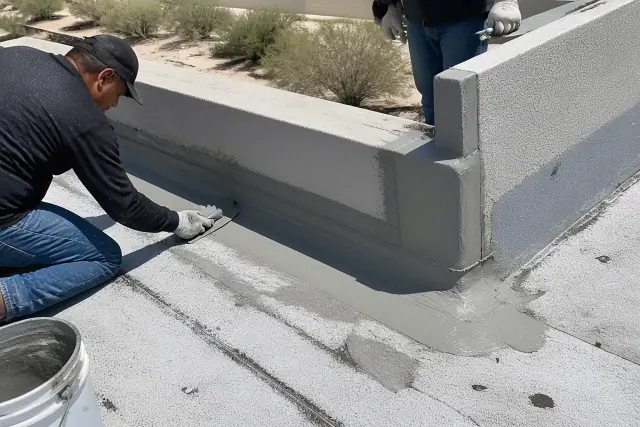
Contractor applying gray sealant to a commercial roof parapet wall in Mesa, AZ.

Moisture scans and visual inspection help locate UV damage, failed seams, punctures, flashing defects, and ponding before repairs begin. Mesa flat roof repairs commonly run between $3 and $10 per square foot, depending on the roofing system and extent of damage. Explore Service

Explore Service

Commercial Roof Replacement

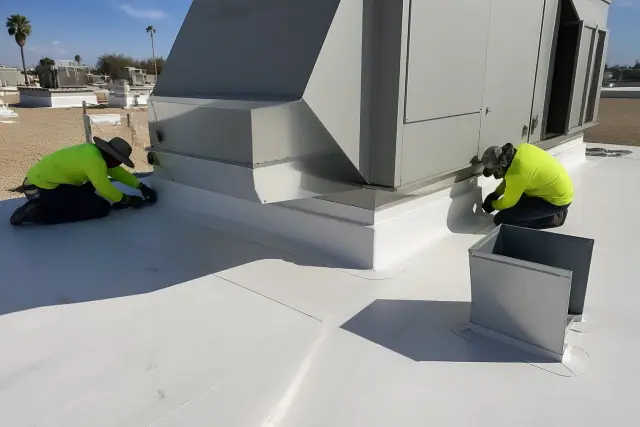
Technicians performing membrane detailing on a new TPO roof around an HVAC unit in Mesa, AZ.

Replacement covers tear-off, deck inspection and repair, insulation upgrades, and new membrane installation, with City of Mesa permits coordinated when required. Commercial roof replacement generally runs $5.50 to $12.00 per square foot, depending on the selected system and project scope. Explore Service

Explore Service

TPO Roofing

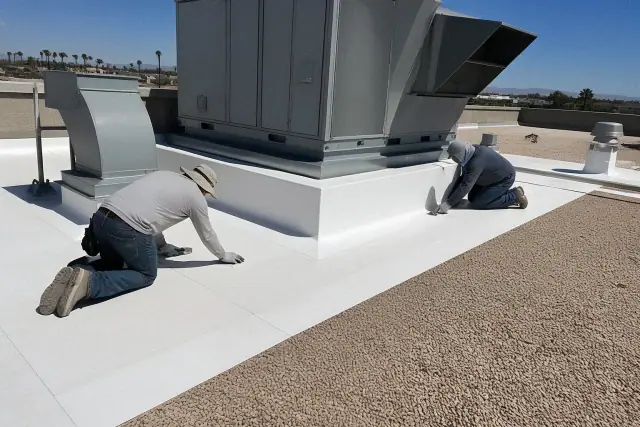
Technicians installing TPO membrane roofing around a ventilation unit on a gravel rooftop in Mesa, AZ.

White, reflective TPO helps manage Mesa heat on warehouses and retail buildings. We install 45 mil to 80 mil membranes with heat-welded seams to ASTM D6878 standards; installed cost typically runs $4 to $7 per square foot. Explore Service

Explore Service

Spray Foam Roofing

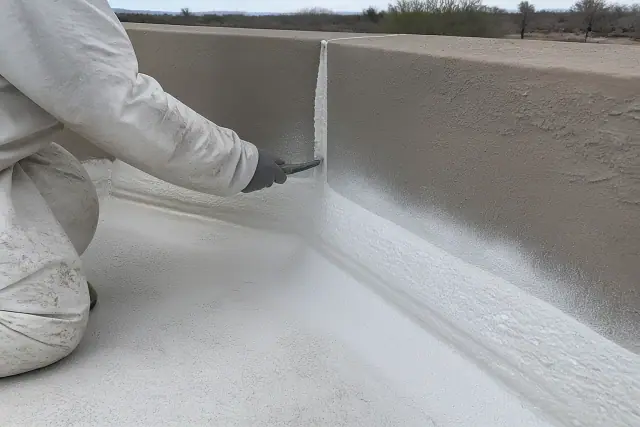
Spray foam roofing applied to a parapet wall at a commercial job site in Mesa, AZ.

Spray polyurethane foam forms a seamless, fully adhered insulating layer with no membrane seams for water to exploit. Applied 1.5 to 3 inches thick beneath a silicone or acrylic UV-rated coating, SPF can serve well past 30 years when recoated every 10 to 15 years.

Commercial Roof Coatings

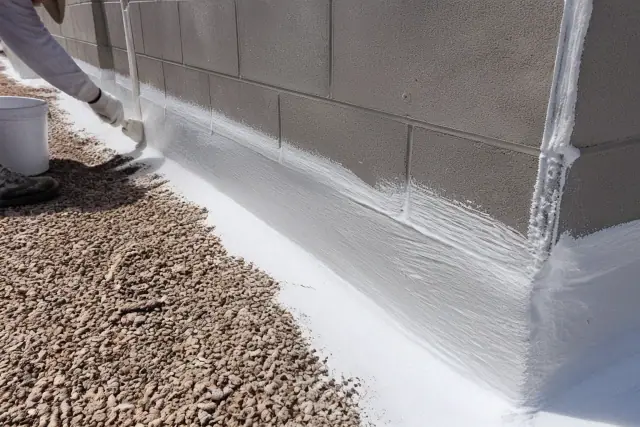
Close-up of a thick elastomeric coating applied to a parapet wall on a commercial roof in Mesa, AZ.

Silicone, acrylic, and elastomeric coatings reflect solar radiation, lower membrane surface temperature, and seal minor cracking before it becomes a leak. A suitable coating can add 10 or more years of service life without the scope of a full tear-off.

Commercial Metal Roofing

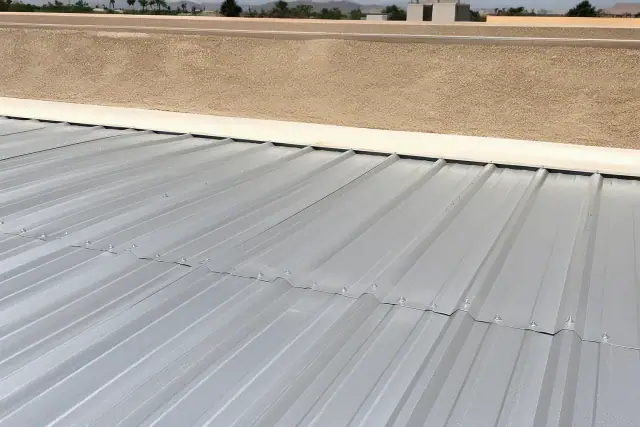
Metal roofing panels with visible screws secured on a commercial building in Mesa, AZ.

Standing-seam Galvalume and painted-steel systems use concealed fasteners to shed monsoon rainfall and resist summer wind uplift. Installed metal roofing typically runs $7 to $14 per square foot and can last 40 to 60 years with minimal upkeep.

Modified Bitumen Roofing

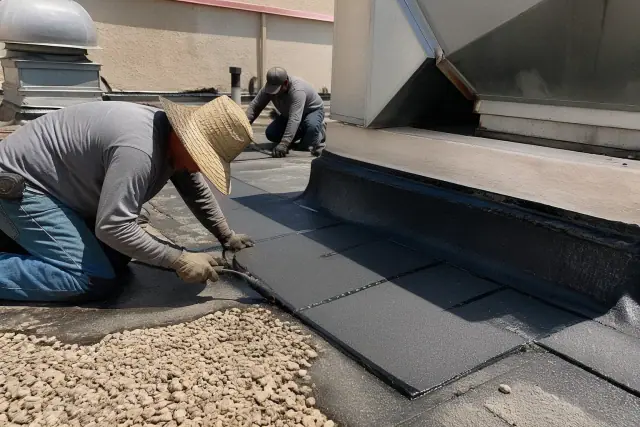
Modified bitumen roofing seams and gravel ballast around an HVAC unit on a commercial rooftop in Mesa, AZ.

Torch-applied and self-adhered SBS and APP modified bitumen are installed in two-ply configurations for redundancy and puncture resistance around high-traffic roof areas. With proper maintenance and periodic coating, the expected service life is 15 to 20 years.

Built-Up Roofing (BUR)

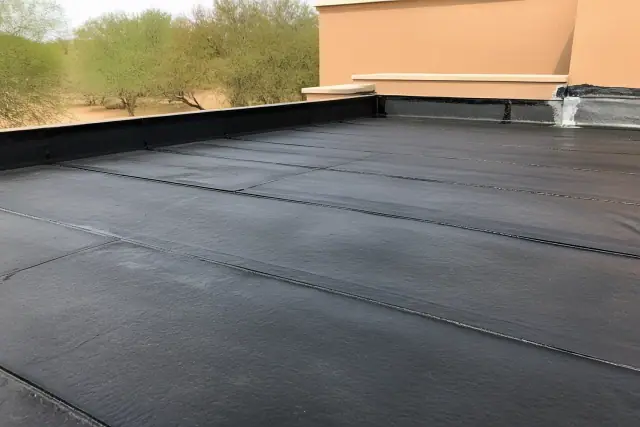
Built-up roofing layers with asphalt seams on a commercial building in Mesa, AZ.

BUR combines alternating layers of bitumen and reinforcing fabric beneath gravel or a reflective cap sheet for a heavy-duty, multi-ply assembly. A properly installed system typically lasts 20 to 30 years, so structural capacity and installation time are evaluated before it is recommended.

Commercial Roof Inspections

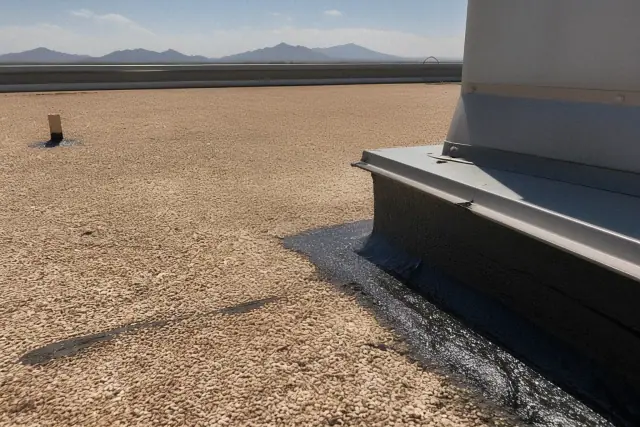
Freshly applied dark elastomeric sealant on a gravel rooftop in Mesa, AZ, with a desert mountain silhouette.

Visual assessment, moisture scanning, and photographic documentation produce a written report with prioritized recommendations. Mesa inspections should occur at minimum twice a year, before and after monsoon season, and typically take one to three hours depending on roof size and complexity.

Commercial Roof Maintenance

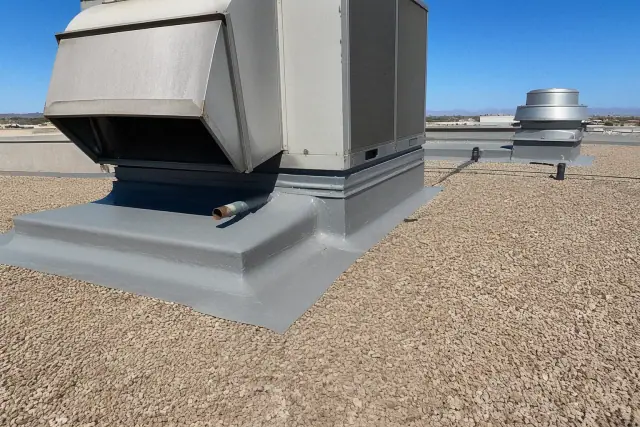
Grey elastomeric roof coating around a ventilation unit on a gravel roof in Mesa, AZ.

Maintenance plans include debris removal, drain and scupper clearing, sealant renewal, documentation, and minor repairs before leaks develop. Consistent care can be the difference between a roof reaching 25 years of service and failing at year 12 under Mesa's heat, dust, and storm exposure.

Roof System Selection

How to Choose the Right Commercial Roof in Mesa, AZ

The right commercial roofing option depends on the existing assembly, moisture condition, structural capacity, drainage, rooftop traffic, energy goals, and expected service life. A property-specific review matters across the East Valley, including facilities with related roofing needs in Scottsdale, AZ .

Existing Roof Compatibility

TPO, PVC, EPDM, modified bitumen, BUR, spray foam, and metal roofs require different repair materials and installation methods. Inspection identifies the existing system and failure point before any patch, coating, or replacement is specified.

Heat and Reflectivity

White TPO and reflective coatings can reduce heat transfer compared with a dark, aged membrane and ease the load on rooftop HVAC equipment. Spray foam adds insulation value directly to the roof assembly for Mesa's long cooling season.

Drainage and Monsoon Exposure

Monsoon storms can drop over an inch of water in under an hour, making slope, drains, scuppers, and ponding history central to system selection. Drainage weaknesses should be addressed with the roof work rather than covered by a new surface.

Foot Traffic and Rooftop Equipment

Buildings with frequent maintenance traffic, HVAC curbs, or other rooftop equipment need puncture resistance and carefully detailed penetrations. Modified bitumen can suit heavier traffic, while flashing and access paths require close inspection on any system.

Service Life and Lifecycle Cost

Compare the cost and disruption of repair, coating, or replacement with the remaining life of the existing roof. The most suitable choice balances installation scope, maintenance needs, energy performance, and the building's long-term use.

Structural Capacity and Project Scope

Heavy BUR assemblies require structural-capacity review, while replacement may also involve tear-off, deck repair, or insulation upgrades. Evaluating those conditions early produces a clearer scope and reduces surprises after work starts.

Mesa Roof Warning Signs

Common Commercial Roof Problems on Mesa Properties

Intense UV, thermal movement, monsoon water, wind-driven debris, and dust can stress several parts of a commercial roof at once. A focused inspection separates visible symptoms from the actual entry point or system failure.

Request Roof Inspection

UV Degradation and Thermal Cycling

Sustained sun exposure dries membranes and flashing while repeated expansion and contraction can crack surfaces or pull seams apart. Granule loss, brittleness, blistering, and delamination are signs that the assembly needs evaluation.

Ponding Water After Monsoons

Standing water concentrates stress around low areas, drains, seams, and penetrations after fast summer storms. The source may be blocked drainage, inadequate slope, damaged membrane, or a combination that requires more than a surface patch.

Separated Seams and Punctures

TPO and PVC punctures, EPDM seam failures, and a two-inch seam split can admit enough monsoon water to create extensive damage if ignored. Repairs must match the existing membrane and restore a continuous watertight surface.

Dust-Clogged Drains and Scuppers

Haboobs deposit fine grit and debris that can slow or block roof drainage. Regular drain and scupper clearing helps keep stormwater moving before it backs up into low areas and creates ponding.

Loose Flashing at Roof Penetrations

Flashing can detach or crack around HVAC curbs, parapet walls, and other transitions as roof materials move in the heat. These perimeter details deserve close inspection because a small opening can route water beneath a much larger roof area.

Hidden Water Intrusion

Water often travels laterally through a commercial roof assembly before appearing at the ceiling. Moisture meters and infrared scanning help trace that hidden path so the repair addresses the entry point instead of only the interior drip.

Why Choose Us

Why Choose Phoenix Commercial Roofing Company in Mesa?

Commercial roofing decisions affect building operations, inventory, equipment, and long-term maintenance costs. Our approach combines Mesa-specific roof experience with licensed crews, business insurance, system-matched methods, and written documentation from inspection through final sign-off.

Mesa Climate Experience

Work on warehouses near the Gateway Airport corridor, retail centers around Superstition Springs, and offices in Downtown Mesa and the Fiesta District informs recommendations for local roof types and exposures. Material and maintenance choices reflect desert UV, low humidity, dust, and monsoon cycling.

Arizona Licensing and Insurance

Our crews hold current Arizona Registrar of Contractors licensing, and the company maintains general liability and workers' compensation insurance. Those credentials can be provided before work begins for property-owner and management review.

Documented Scope and Closeout

Written estimates separate materials, labor, timeline, tear-off, and deck repair as the project requires. Work follows manufacturer-specific installation methods and National Roofing Contractors Association best practices, with completion photos kept for the property's records.

Clear Roofing Process

Our Commercial Roofing Process in Mesa, AZ

Each project moves from an on-site assessment to a defined scope, system-matched work, and documented closeout. Testing, permits, and warranty review are included when the roof condition, project scope, or applicable terms call for them.

01.

Free Consultation and Site Walk

The process starts with a free roofing consultation to discuss the building, active concerns, access, and operating priorities. A site walk establishes the roof type and areas that need closer evaluation.

02.

Visual Inspection and Drainage Review

We check membrane condition, seams, flashing, penetrations, drains, scuppers, ponding areas, and visible damage. This establishes whether the problem is localized or part of a broader system issue.

03.

Moisture Testing When Needed

When a leak source is not obvious, moisture meters or infrared scanning help locate water that has traveled through the assembly. Findings guide the repair area and reduce guesswork.

04.

Written Scope, Estimate, and Permits

The estimate outlines materials, labor, timeline, and any tear-off, deck repair, or insulation work. Permits are coordinated through the City of Mesa Building Safety Division when the scope requires them.

05.

System-Matched Roofing Work

Crews use manufacturer-specific methods for TPO, modified bitumen, BUR, spray foam, coatings, and other supported systems. Repair materials and installation details are selected to match the existing roof and approved scope.

06.

Watertightness Check and Photo Closeout

Completed repairs are checked for watertightness and photographed for the maintenance file. If material or workmanship warranty terms apply, they are reviewed directly at closeout.

Mesa Property Priorities

Roofing Strategies for Mesa Properties & Businesses

Case Study 1: Warehouses and industrial facilities: Buildings near the Gateway Airport and Falcon Field corridors often benefit from reflective TPO or insulated spray foam selected around broad roof areas, cooling demand, and rooftop equipment.

Case Study 2: Retail centers: Properties around Superstition Springs and Mesa Riverview need dependable drainage, clean flashing details, and repair planning that limits disruption around active business operations.

Case Study 3: Office buildings: Downtown Mesa and Fiesta District facilities can pair documented inspections with reflective membranes or coatings chosen for the existing assembly and long cooling season.

Plan Your Roof Work

Schedule a Mesa Commercial Roof
Inspection & Estimate

Start with a free consultation and site walk for a Mesa commercial roof repair, coating, inspection, maintenance plan, or replacement. You will receive a written scope that explains the recommended work, materials, labor, and timeline before the project begins.

Mesa Roofing Answers

Commercial Roofing FAQs for Mesa, AZ

These answers cover common Mesa commercial roof repair, replacement, system-selection, inspection, maintenance, and storm-response questions. A site inspection is still the clearest way to define the scope for a particular building.

Call Our Roofing Team

Flat roof repairs typically cost between $3 and $10 per square foot in the Mesa area, depending on the roofing system and extent of damage. Localized seam sealing or puncture patching tends toward the lower end, while flashing replacement, widespread ponding damage, or multiple problem areas can cost more.

Repair begins with visual inspection and, when needed, moisture scanning to identify the actual failure point. The area is cleaned and prepared before system-matched materials are applied, such as a heat-welded TPO patch, modified bitumen repair, or elastomeric sealant, followed by a watertightness check and photo documentation.

TPO and PVC single-ply membranes typically last 20 to 30 years, modified bitumen runs 15 to 20 years, and BUR can reach 20 to 30 years. Properly recoated spray foam can exceed 30 years, but Mesa UV and monsoon cycling can push unmaintained roofs toward the earlier end of their ranges.

Commercial roof replacement generally runs $5.50 to $12.00 per square foot. TPO typically costs $4 to $7 per square foot, PVC runs $5 to $8, and metal ranges from $7 to $14; labor commonly accounts for one-third to one-half of the total, with tear-off, deck repair, and insulation also affecting the scope.

The 25% rule describes a code-based threshold used in some jurisdictions: when more than 25% of a roof requires repair or replacement within a defined period, the roof may need broader work to meet the current code rather than piecemeal patching. The applicable scope and permitting requirements are evaluated during inspection with the City of Mesa standards in mind.

Same-day roof repair is available in many cases for active leaks, depending on damage severity, safe access, material availability, and the current schedule. Calls involving water that threatens inventory, equipment, electrical systems, or operations are prioritized, and many repairs are completed the same day or within 24 to 48 hours.

Yes. Phoenix Commercial Roofing Company works under Arizona Registrar of Contractors licensing requirements and maintains general liability and workers' compensation insurance. Proof can be provided before work begins.

Schedule inspections at minimum twice a year: once before monsoon season and once after it. A thorough inspection typically takes one to three hours, depending on building size and roof complexity, and should document condition changes with written findings and photos.

From June through September, fast monsoon storms can force standing water into hairline cracks, separated seams, failed flashing, or clogged drainage that developed during prolonged heat. Because water can travel laterally, the ceiling drip may not sit directly beneath the roof entry point.

TPO systems are installed from 45 mil to 80 mil thickness, with the selection based on the building, exposure, traffic, and project requirements. Seams are heat-welded to ASTM D6878 standards for long-term seam integrity.

The foam layer is protected by a silicone or acrylic coating rated for Arizona UV exposure. Recoating every 10 to 15 years helps preserve the seamless assembly and can extend service well past 30 years.

A coating can be a suitable restoration option when the existing roof is still a sound candidate. Silicone, acrylic, or elastomeric material can reflect solar radiation, seal minor cracking, and add 10 or more years of service life without a full tear-off.

Modified bitumen is well suited to roofs that need added puncture resistance around frequent foot traffic or rooftop equipment. Torch-applied and self-adhered SBS and APP systems can be installed in two-ply configurations and typically serve 15 to 20 years with proper maintenance and periodic coating.

Permit needs depend on the project scope and the code requirements that apply to the building. When a permit is required, it is coordinated through the City of Mesa Building Safety Division, and the written scope identifies related deck, insulation, drainage, or material work.

Service extends across Mesa and to Tempe, Chandler, Gilbert, Queen Creek, Apache Junction, and commercial properties throughout Maricopa County. Within Mesa, coverage includes the Falcon Field and Gateway Airport industrial corridors, Superstition Springs, Downtown Mesa, the Fiesta District, and Mesa Riverview.